


ART AND HISTORY INSIDE A FOREST
A Castle Above the City
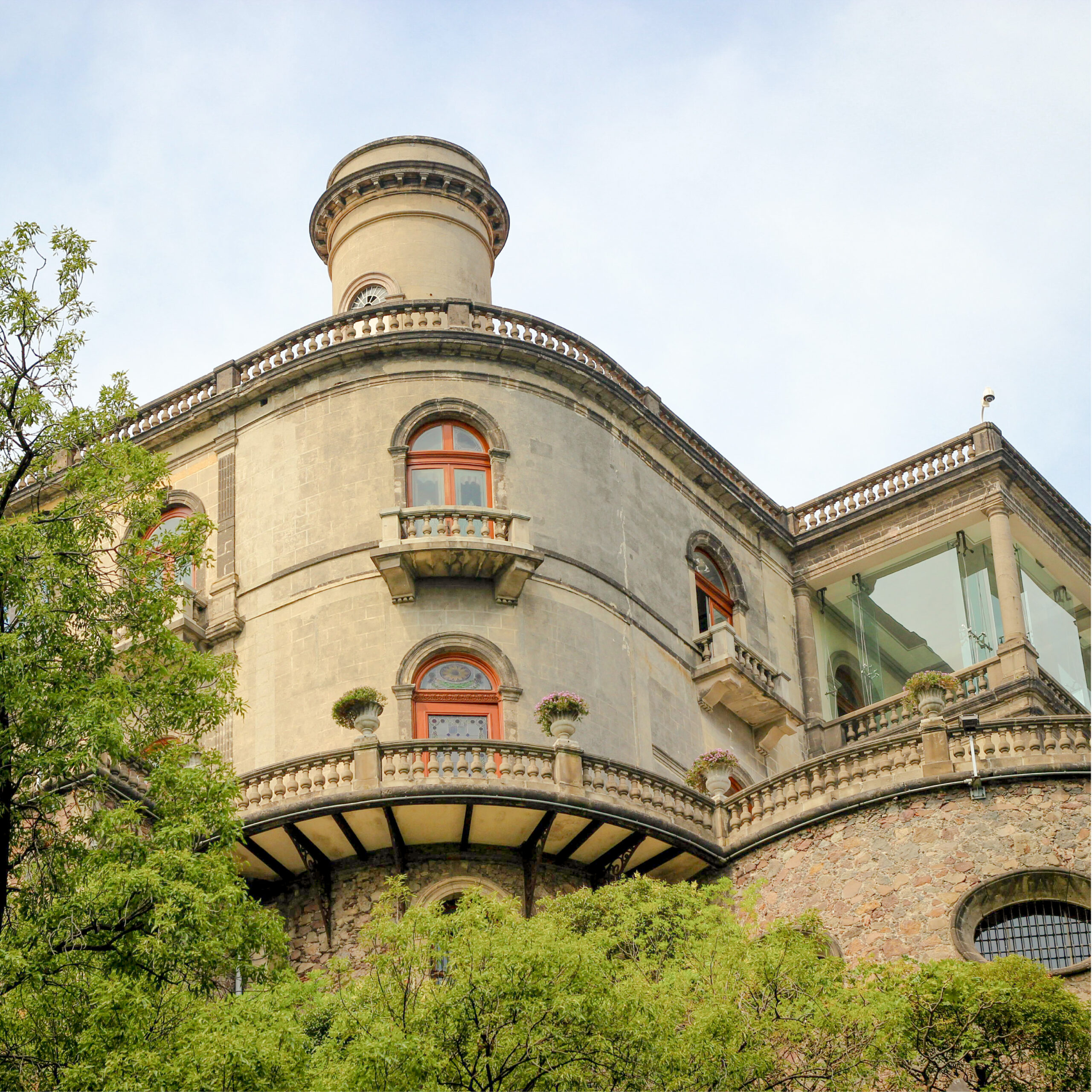
Chapultepec Castle sits on top of Chapultepec Hill and is one of the most historic places in Mexico City. Construction began in the late 18th century when Viceroy Bernardo de Gálvez ordered a residence to be built in a location that overlooked the valley. Over time, the building passed through different stages and purposes, reflecting the political changes happening in the country. During the 19th century, the castle became famous for its role in Mexican history. It served as the residence of Emperor Maximilian I and Empress Carlota during the short-lived Second Mexican Empire. Later it functioned as a military academy, and it was also the site of the Battle of Chapultepec in 1847 during the Mexican–American War. Today it houses the National Museum of History, preserving artifacts, murals, and objects that tell the story of Mexico’s past.
A hill filled with history
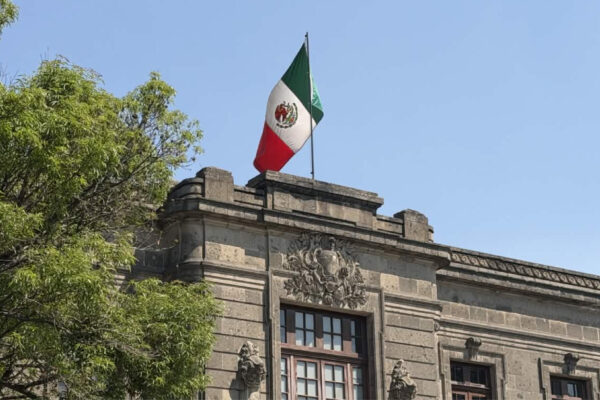
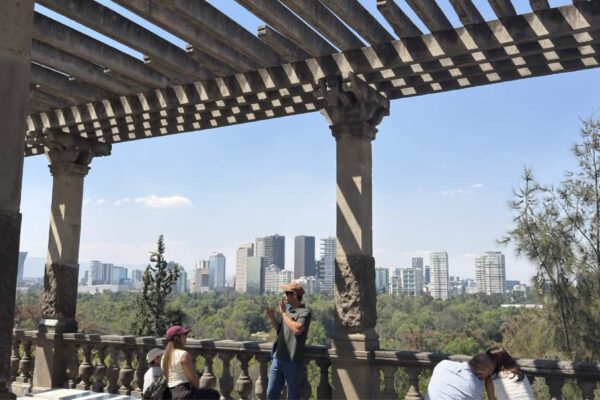
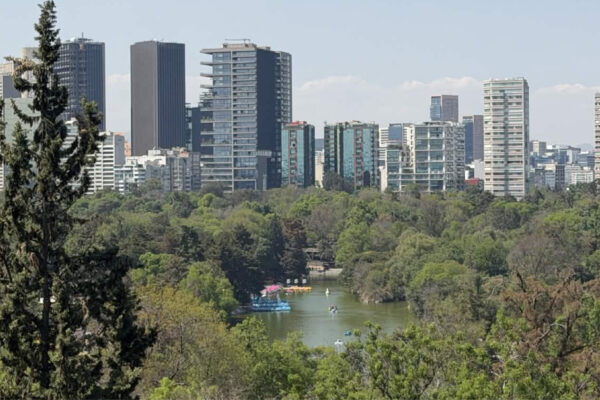
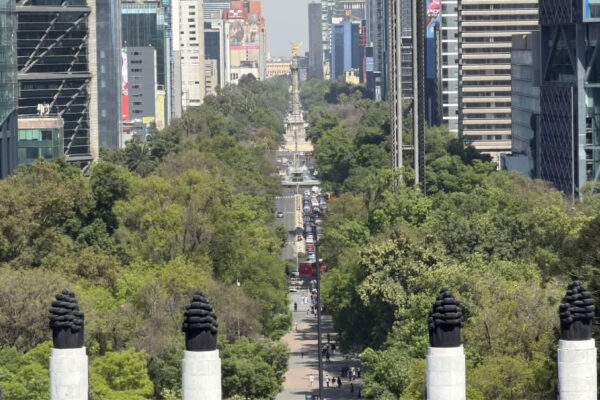
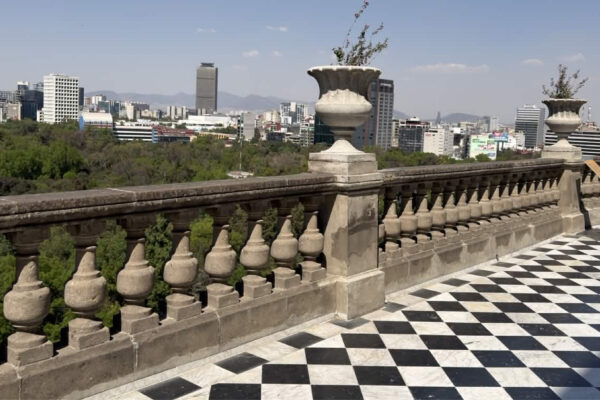
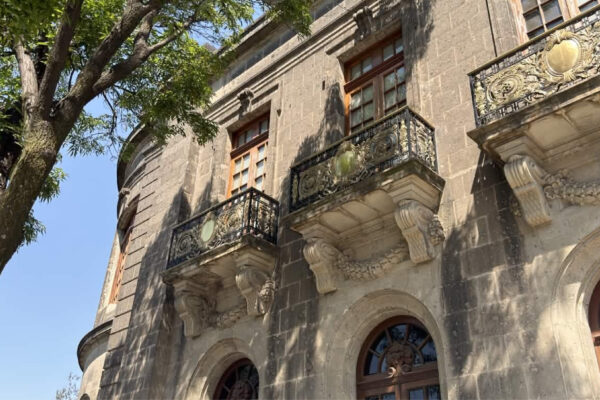
The Castle Exterior

Reaching Chapultepec Castle requires a walk up Chapultepec Hill, a path surrounded by trees inside Chapultepec Park. As visitors climb the gentle slope, the castle gradually appears above the forest, giving the impression of a European palace rising from the greenery.
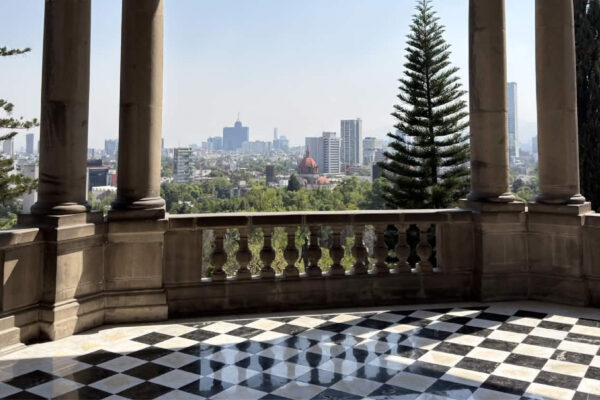
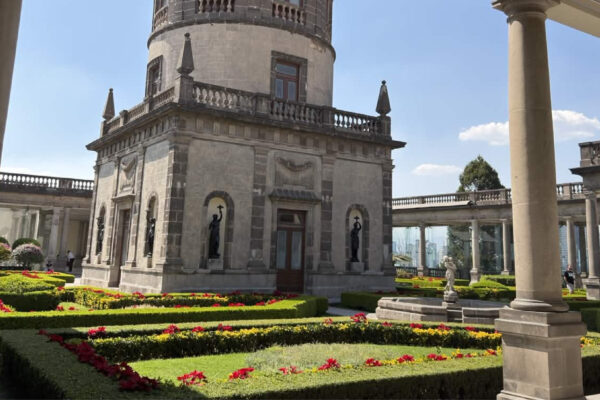
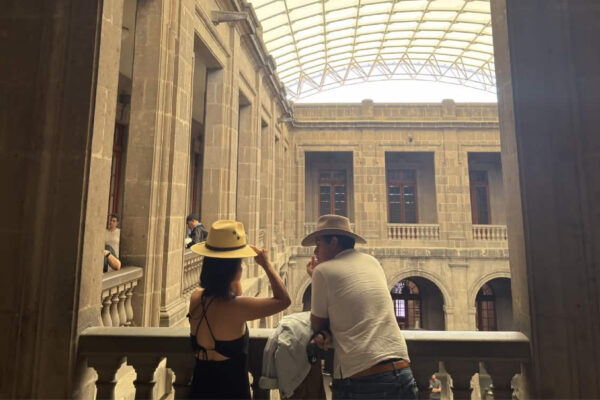
From the outside, the building combines neoclassical architecture with elements added in later renovations. Wide terraces, tall windows, and stone façades give the structure a grand but elegant presence. The castle’s position on the hill also offers panoramic views of Mexico City and the surrounding park.
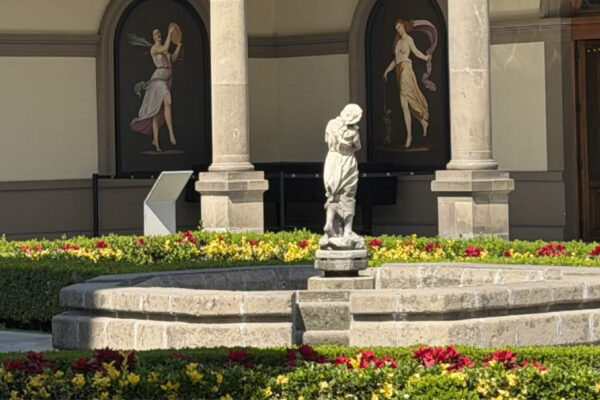
Approaching the entrance, the open courtyards and gardens create a calm atmosphere before entering the museum itself. The exterior spaces are as memorable as the interior, especially the terraces where visitors can look out over the city skyline.
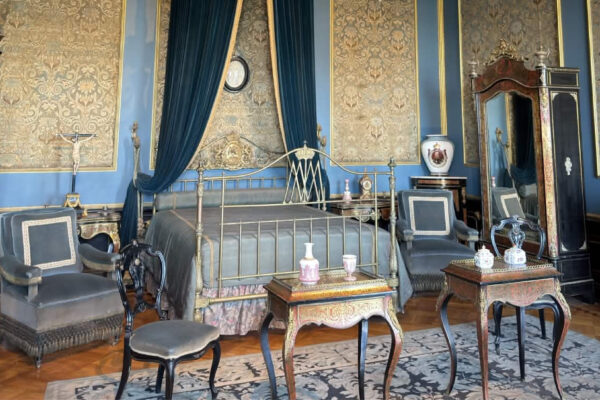
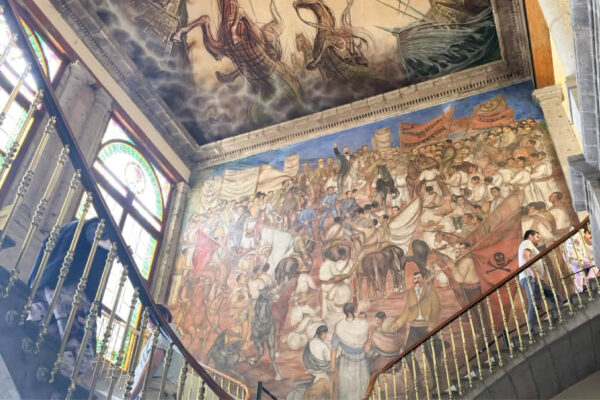

Inside the Castle
Inside, the castle reveals its artistic and historical richness.
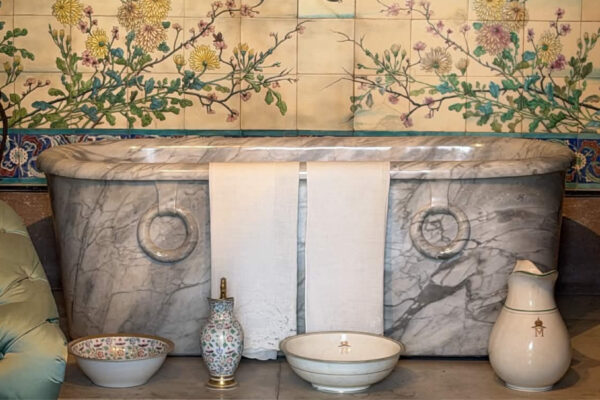
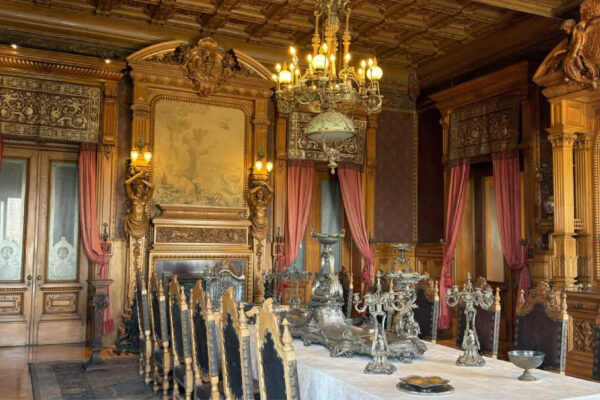
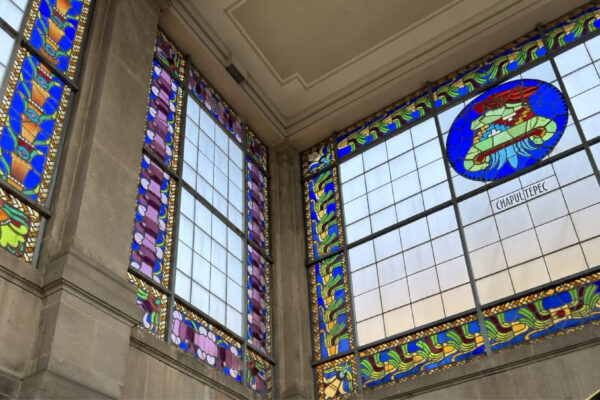
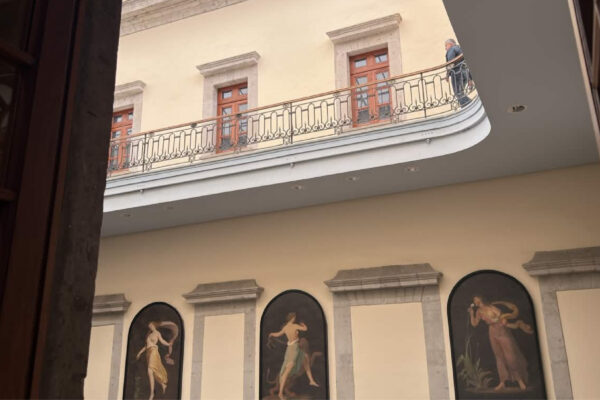
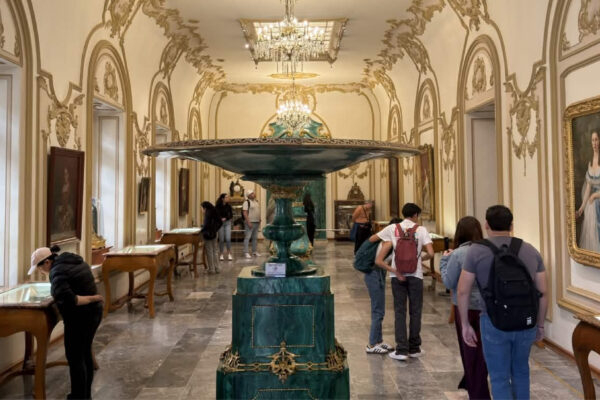
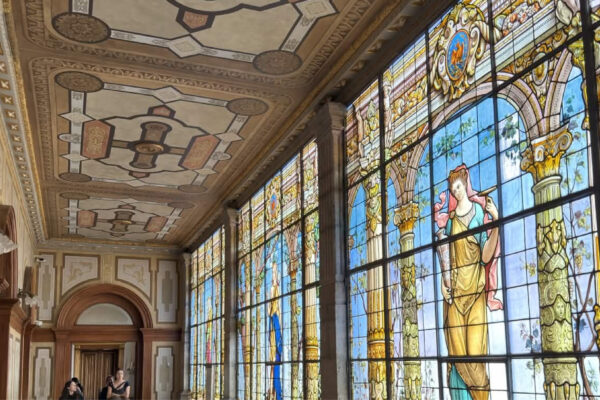
The interior rooms are decorated with murals, historic furniture, and detailed architectural elements that reflect different periods of Mexico’s history. Many of the spaces still preserve the atmosphere of the imperial residence from the time of Maximilian and Carlota, including elegant salons, marble staircases, and stained glass. The museum galleries display paintings, documents, and objects that illustrate key moments of the country’s past, while the design of the rooms themselves becomes part of the historical experience.